

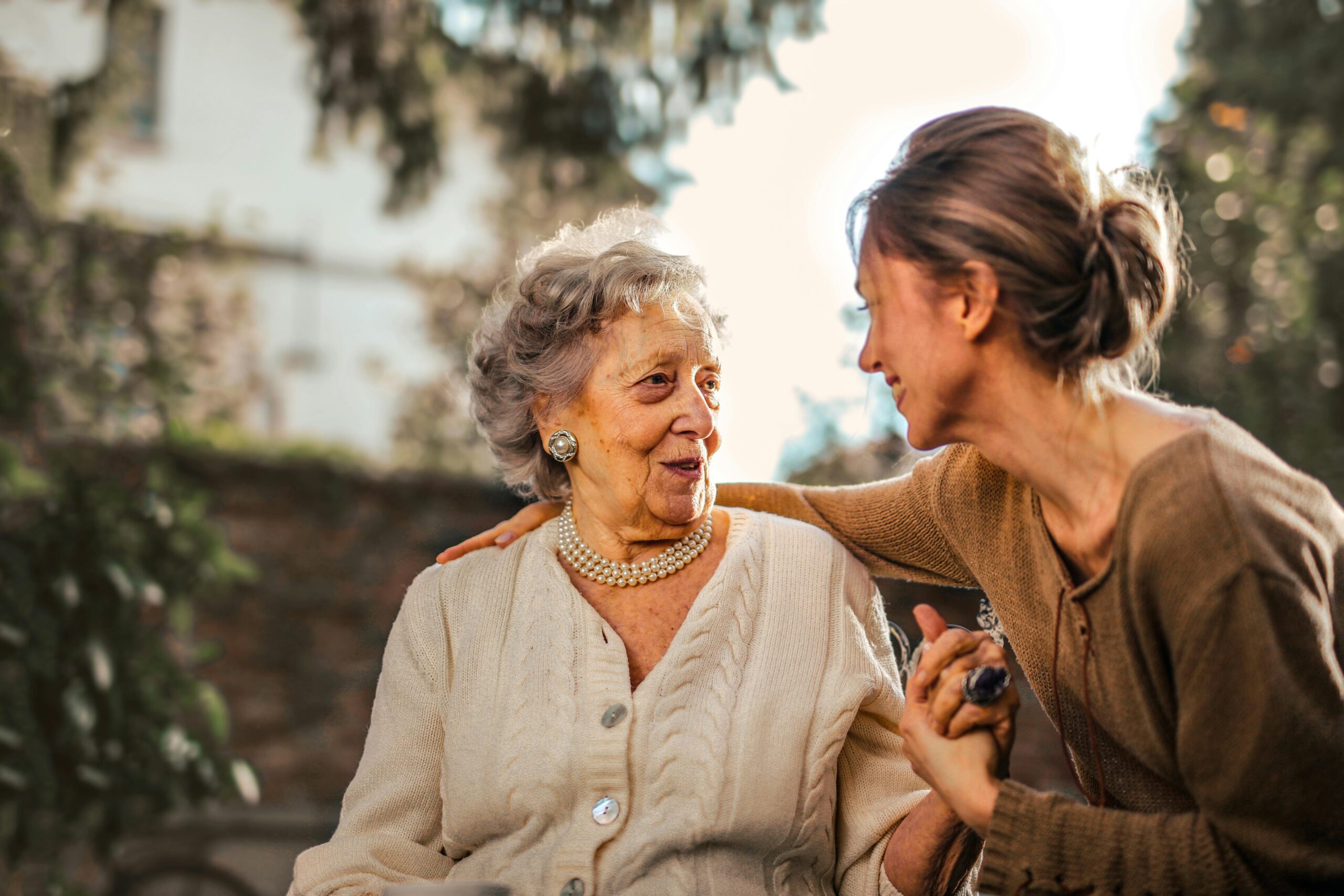
The Power of Community: Tackling Loneliness in Older and Vulnerable Adults
Loneliness is more than simply spending time alone—it can have a significant impact on both physical and mental health. Many older adults and vulnerable individuals experience social isolation due to retirement, bereavement, reduced mobility, disability or long-term health conditions. Without regular social interaction, feelings of loneliness can gradually affect confidence, independence and overall wellbeing.
At Graceful Healthcare Services, we understand that quality care goes beyond meeting physical needs. Building meaningful relationships, encouraging community involvement and supporting emotional wellbeing are essential parts of helping people live happier, healthier and more independent lives.
Understanding Loneliness and Social Isolation
Although the terms are often used together, loneliness and social isolation are not the same. A person can have regular contact with others and still feel lonely, while someone living alone may feel perfectly content.
Social isolation refers to having limited social contact, while loneliness is the emotional feeling of being disconnected from others. Both can have serious consequences if left unaddressed.
According to the NHS, maintaining social connections plays an important role in supporting both physical and mental wellbeing.
How Loneliness Affects Health
Long-term loneliness can affect almost every aspect of a person’s wellbeing. Research has shown that prolonged social isolation may increase the risk of both physical and mental health problems.
Some possible effects include:
- Depression and anxiety.
- Reduced confidence and self-esteem.
- Poor sleep quality.
- Reduced physical activity.
- Memory and cognitive decline.
- Higher risk of heart disease and stroke.
- Weakened immune system.
- Reduced overall quality of life.
Recognising these risks early allows families and carers to provide support before loneliness begins affecting long-term health.
Common Causes of Loneliness
Many life events can contribute to loneliness, particularly among older adults and vulnerable individuals.
- Retirement.
- Bereavement or the loss of a partner.
- Reduced mobility.
- Long-term illness.
- Living alone.
- Hearing or sight loss.
- Mental health conditions.
- Moving away from family or friends.
While these changes can feel overwhelming, the right support can help individuals rebuild confidence and reconnect with their communities.
How Families Can Help
Small acts of kindness often have a greater impact than people realise. Families can play an important role in helping loved ones stay socially connected and emotionally supported.
Simple ways to help include:
- Scheduling regular visits or phone calls.
- Encouraging participation in hobbies and interests.
- Helping with transport to local events.
- Sharing meals together.
- Celebrating birthdays and special occasions.
- Introducing technology for video calls where appropriate.
- Encouraging gentle exercise or walks together.
Consistency is often more valuable than occasional long visits. Even short, regular conversations can make a meaningful difference.
The Role of Professional Care
Professional care can provide much more than practical assistance. Companionship is a valuable part of person-centred care, helping individuals maintain social interaction while reducing feelings of loneliness.
Our experienced carers support individuals by:
- Providing friendly companionship.
- Encouraging hobbies and activities.
- Supporting outings into the community.
- Helping individuals attend appointments and social events.
- Promoting confidence and independence.
- Monitoring emotional wellbeing.
Our Home Care and Supported Living Services are designed to support both physical and emotional wellbeing through meaningful relationships and personalised care.
Why Community Matters
Being part of a community gives people a sense of purpose, belonging and identity. Whether it’s attending a local coffee morning, joining a hobby group, volunteering or participating in faith-based activities, community involvement can greatly improve quality of life.
At Graceful Healthcare Services, we actively encourage individuals to engage with their local communities wherever possible. Our care plans focus not only on health needs but also on helping people continue enjoying the activities and relationships that matter most to them.
Every individual benefits from a Personalised Care Plan tailored to their interests, goals and social wellbeing.
Frequently Asked Questions
How can I tell if my loved one is lonely?
Signs may include withdrawing from social activities, low mood, loss of interest in hobbies, changes in appetite, poor sleep or expressing feelings of isolation. Regular conversations can help identify these concerns early.
Can companionship visits make a difference?
Yes. Regular companionship visits provide social interaction, emotional support and encouragement, helping many individuals feel more connected and confident.
Is loneliness a normal part of ageing?
No. While some older adults experience loneliness, it should never be considered an unavoidable part of growing older. With the right support and community involvement, many people enjoy active and socially fulfilling lives.
Helping People Stay Connected
At Graceful Healthcare Services, we believe meaningful relationships are at the heart of quality care. Our compassionate team supports older and vulnerable adults in maintaining independence, building confidence and staying connected to the people and communities that matter most.
If you’d like to learn more about our companionship, home care or supported living services, contact our friendly team today to arrange a free, no-obligation consultation.
Disclaimer: This article is intended for general educational purposes only and should not replace professional medical or mental health advice. If you are concerned about persistent loneliness, depression or emotional wellbeing, seek advice from your GP or another qualified healthcare professional. For trusted information, visit the NHS Every Mind Matters, Age UK, the Care Quality Commission (CQC), or GOV.UK.
Leave a Reply